Term vs. Whole Life Insurance: How They Differ and Who Each Fits
Term life covers a set number of years for a lower premium; whole life covers you for life and builds cash value. How each works, what it costs and who it fits.
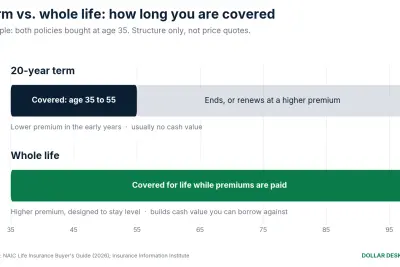
Term life covers a set number of years for a lower premium; whole life covers you for life and builds cash value. How each works, what it costs and who it fits.
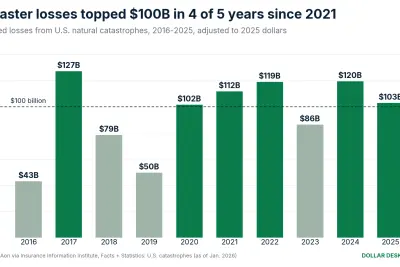
Home insurance premiums rose 18% to 43% after inflation from 2018 to 2024. Regulators point to disaster losses, rebuilding costs and pricier reinsurance.
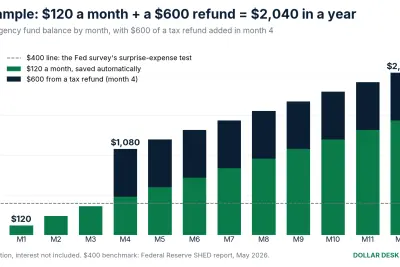
37% of U.S. adults wouldn’t cover a $400 emergency with cash, a Fed survey found. A step-by-step plan to build an emergency fund from $120 a month, with math.
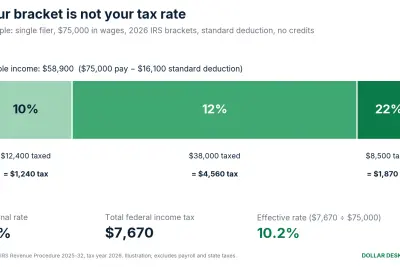
Your marginal rate taxes your last dollar; your effective rate is your whole bill as a share of income. See the math with the IRS 2026 brackets and a raise.
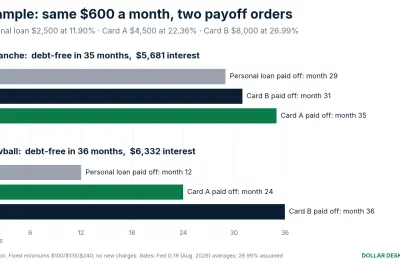
In a month-by-month example with three debts, the avalanche saved $650.95 in interest, while the snowball cleared its first debt 17 months sooner.
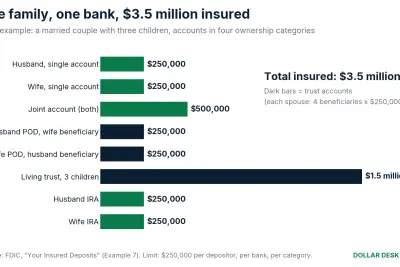
FDIC insurance covers $250,000 per depositor, per bank, per ownership category. See how single, joint, trust and IRA accounts add up and what a failure means.
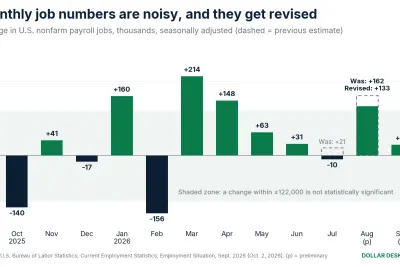
The monthly jobs report packs payrolls, the unemployment rate, wages and revisions into one release. Here is how to read each number, using September 2026 data.
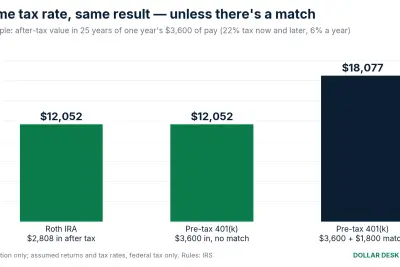
A 401(k) lets you defer $24,500 in 2026, plus any employer match; a Roth IRA allows $7,500 with tax-free qualified withdrawals. How the rules and math compare.
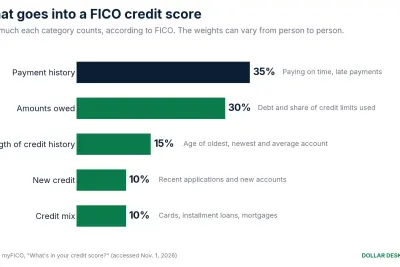
Payment history drives 35% of a FICO score and amounts owed 30%. What goes into a score, how it differs from a report, and how to see your reports free.
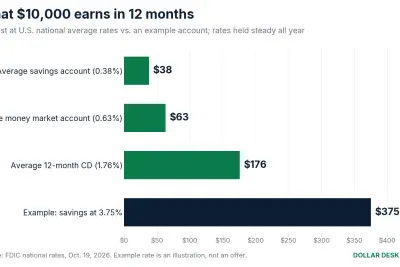
CDs lock a rate, savings and money market rates float. Compare access, penalties, FDIC coverage and what $10,000 earns in a year at October 2026 averages.
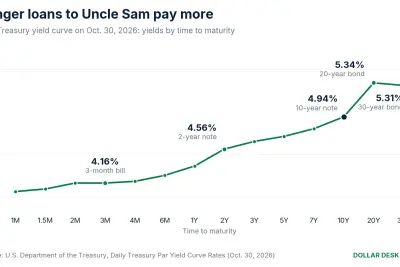
A Treasury yield is the return for lending to the U.S. government. The 10-year was 4.94% on Oct. 30, 2026. Here’s how the yield curve works and moves mortgages.
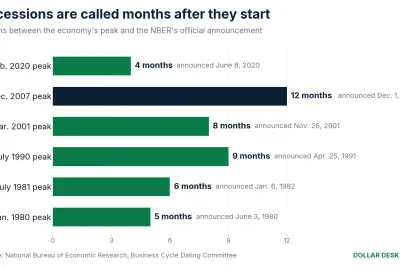
A recession is a broad, deep and lasting drop in economic activity, dated by the NBER, not two quarters of GDP. Here’s how the call is made and what it changes.