How P2P Payment Apps Work: FDIC Cover, Reg E and Scams
App balances may not be FDIC-insured if the app company fails, and Regulation E caps losses on unauthorized transfers. See the limits, timelines and scam gaps.
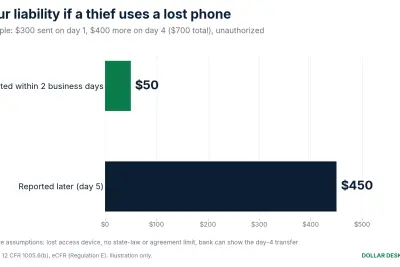
App balances may not be FDIC-insured if the app company fails, and Regulation E caps losses on unauthorized transfers. See the limits, timelines and scam gaps.
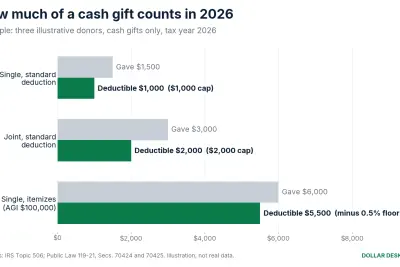
For 2026, non-itemizers can deduct up to $1,000 of cash gifts ($2,000 joint) and itemizers face a 0.5%-of-AGI floor. See limits, records and a worked example.
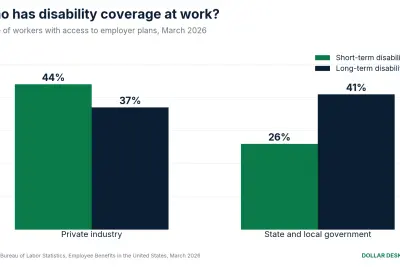
Disability insurance replaces part of your pay when illness or injury stops work. How short- and long-term plans, SSDI and state programs differ, and tax rules.
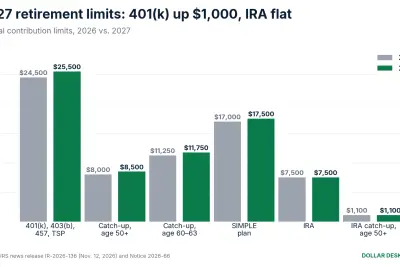
The IRS raised the 2027 401(k) limit to $25,500 and kept the IRA limit at $7,500. See the catch-up amounts, the new Roth catch-up wage line and income ranges.
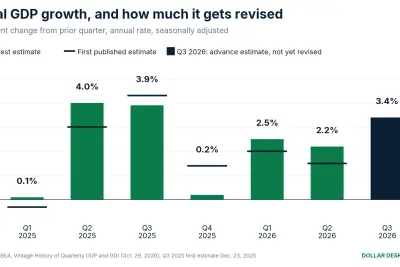
BEA publishes each quarter’s GDP three times, so first readings change. Here is how C+I+G+NX, real vs. nominal and annual rates work, with the latest data.
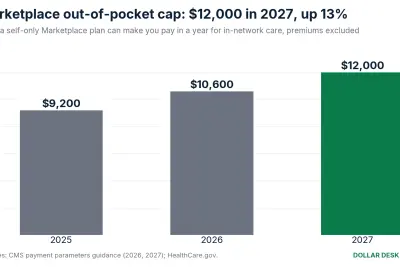
2027 Marketplace enrollment runs Nov. 1 to Jan. 15; Dec. 15 is the cutoff for Jan. 1 coverage. How to compare premium, deductible, out-of-pocket max, HSA.
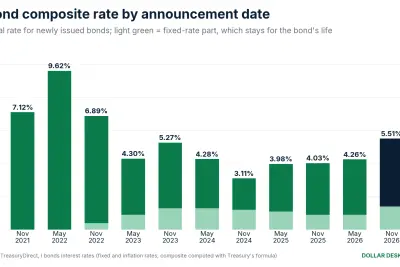
I bonds pay 5.51% for Nov 2026–Apr 2027 issues; TIPS adjust principal with CPI. How each works, the composite-rate math, limits, lockups and taxes.
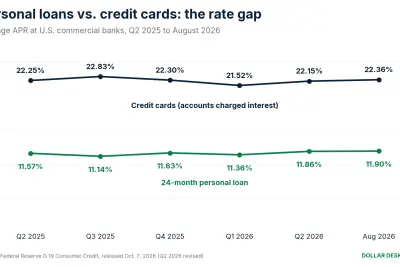
A personal loan is a fixed-payment installment loan. Banks’ 24-month rate averaged 11.90% in August 2026, versus 22.36% on cards. See how APR and fees add up.
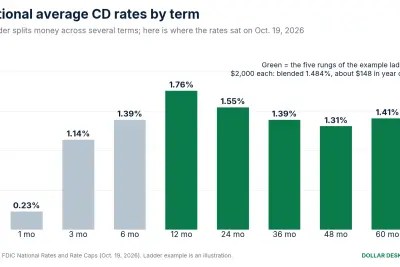
A CD ladder splits savings across several maturities. See a $10,000 example at FDIC average rates, plus early-withdrawal penalties and brokered CD risks.
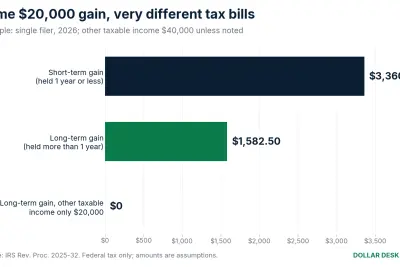
Gains on assets held over a year are taxed at 0%, 15% or 20% for 2026. See the income limits, the $3,000 loss rule, wash sales and the home-sale exclusion.
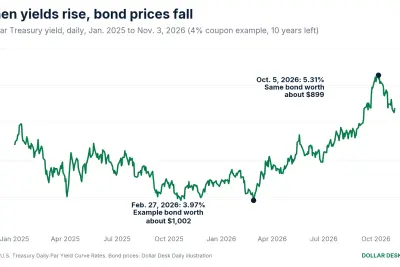
A stock is an ownership share; a bond is a loan. See how each earns a return, the risks of each, and why a bond’s price falls when rates rise, with the math.
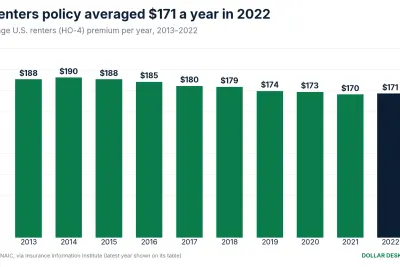
Renters insurance pays for your belongings, liability and temporary housing after a covered loss. The average policy cost $171 a year in 2022, per NAIC data.